
How noninvasive brain stimulation could transform epilepsy care (VIDEO)
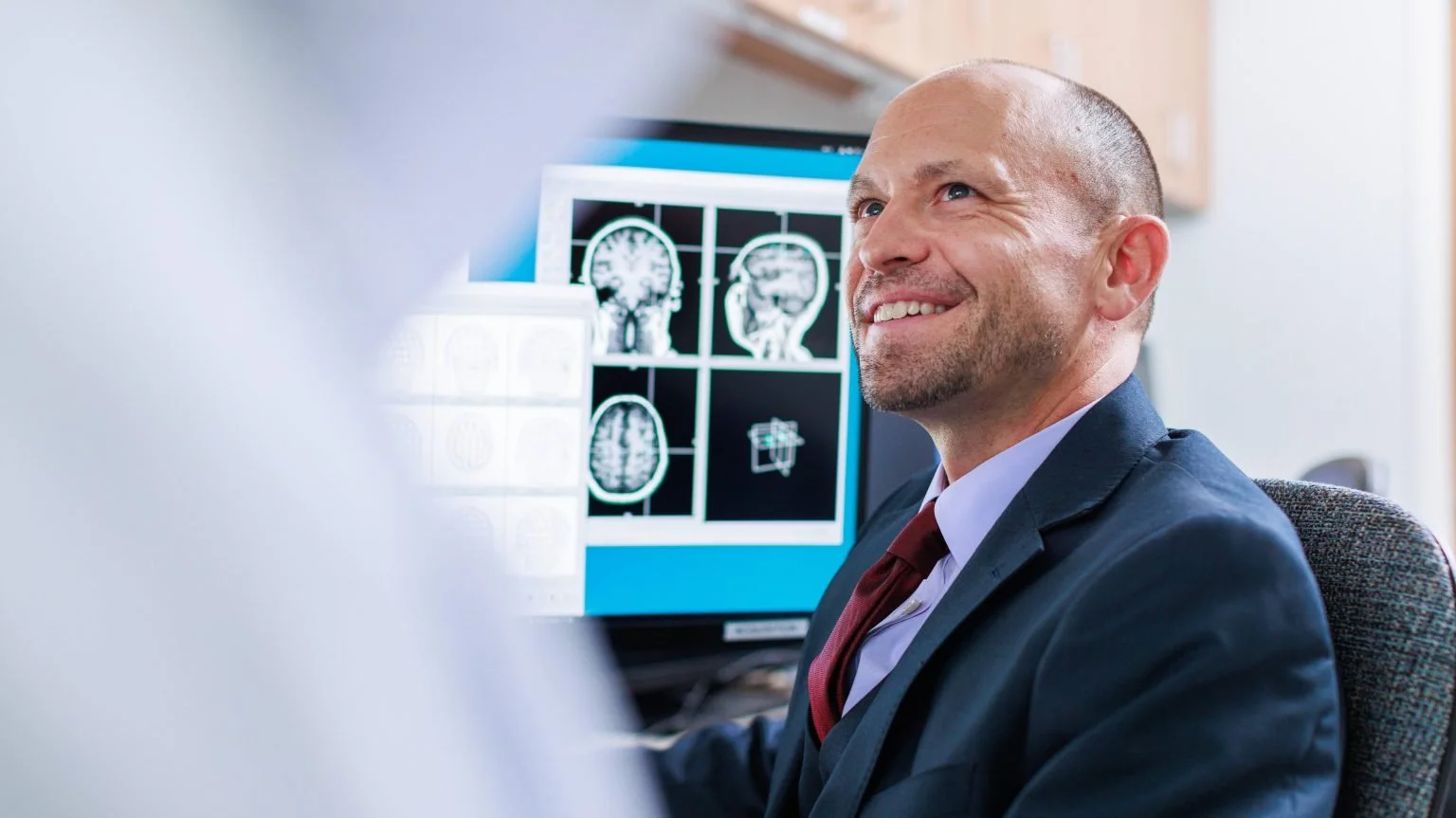
The brain relies on carefully coordinated electrical signals to control everything from movement and memory to thought and emotion. When those signals become too active or poorly regulated, they can contribute to neurological disorders such as epilepsy. Researchers are working to better understand these abnormal patterns of brain activity and develop new ways to measure and safely influence them without surgery.
Brian Lundstrom, M.D., Ph.D., is a Mayo Clinic neurologist and physician-scientist whose research focuses on cortical excitability — how active or responsive the brain is — and how noninvasive brain stimulation may help improve the diagnosis and treatment of epilepsy and related neurological disorders.
As a member of Mayo Clinic's BIONIC (Bioelectronic Neuromodulation with Innovation to Cure) initiative, Dr. Lundstrom shares how advances in bioelectronic medicine are shaping the future of personalized neurological care.
Watch: BIONIC: AI, Brain Stimulation, and the Future of Neurotechnology
(Journalists: Sound bites and with Dr. Brian Lundstrom are in the downloads at the end of the post. Please courtesy: "Brian Lundstrom, M.D., Ph.D./Neurology/Mayo Clinic.")
Q: What does it mean when the brain is "hyperexcitable" or has abnormal cortical excitability?
A: Cortical excitability is one way to describe how responsive the brain is to activity. The cortex is the outer layer of the brain, and neurons — the brain's fundamental cells — communicate with each other through electrical signals.
In some neurological diseases, the brain can become too excitable. Epilepsy is one example. During a seizure, the brain's electrical activity becomes abnormally high. Many neurological conditions may involve brain activity that is either too high, too low or not properly regulated.
Q: Your research explores ways to stimulate the brain without surgery. How do these technologies work, and how could they help people with conditions like epilepsy?
A: Because the brain communicates through electricity, we can also use electrical or magnetic stimulation to try to better understand brain activity. One way is through transcranial magnetic stimulation (TMS). TMS uses magnetic pulses delivered outside the head to stimulate targeted brain regions.
Another method is transcranial direct current stimulation (tDCS), which uses low levels of electrical current applied through the scalp. These approaches are considered noninvasive because they do not require surgery or implanted devices.
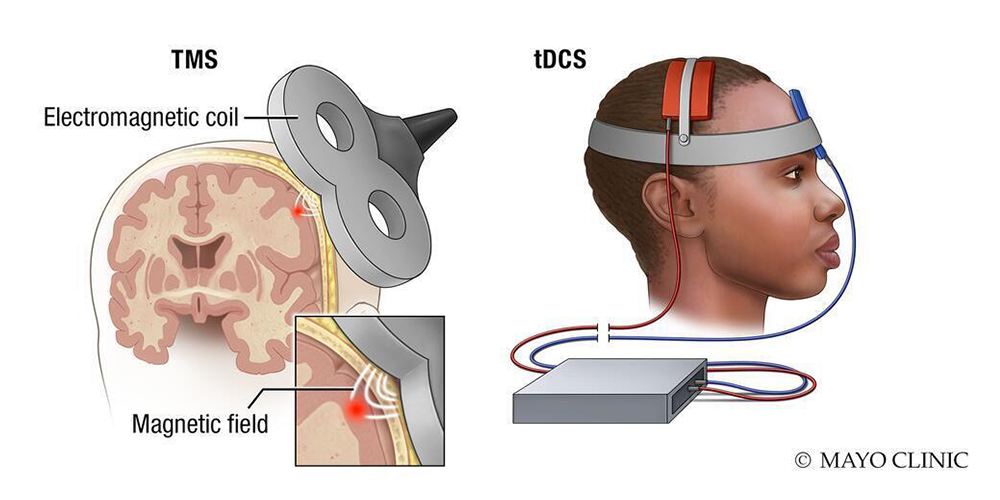
The goal is to use these targeted, noninvasive stimulations to influence brain activity, helping us better understand brain activity and, ultimately, correct abnormal patterns that contribute to conditions like epilepsy.
Q: What makes noninvasive stimulation especially appealing compared with traditional approaches for epilepsy, such as medication, surgery or implanted devices?
A: While medications are highly effective for many people, they don't work for everyone, and some patients experience side effects that affect their daily lives. Our goal is to move beyond that trial-and-error approach by using measurable changes in brain activity to guide treatment decisions earlier and more precisely.
Surgery and implanted devices can also be very effective, but they're not the right option for every patient.
That's where noninvasive brain stimulation, like TMS or tDCS, is especially promising. Because these approaches target specific areas of the brain without surgery, they generally don't produce the same whole-body side effects that medications can.
While additional research is needed, I've also seen patients whose seizures were significantly reduced or eliminated entirely through noninvasive brain stimulation after other treatments hadn't worked. Our hope is to continue refining these approaches so more patients can benefit from safe, personalized therapies.
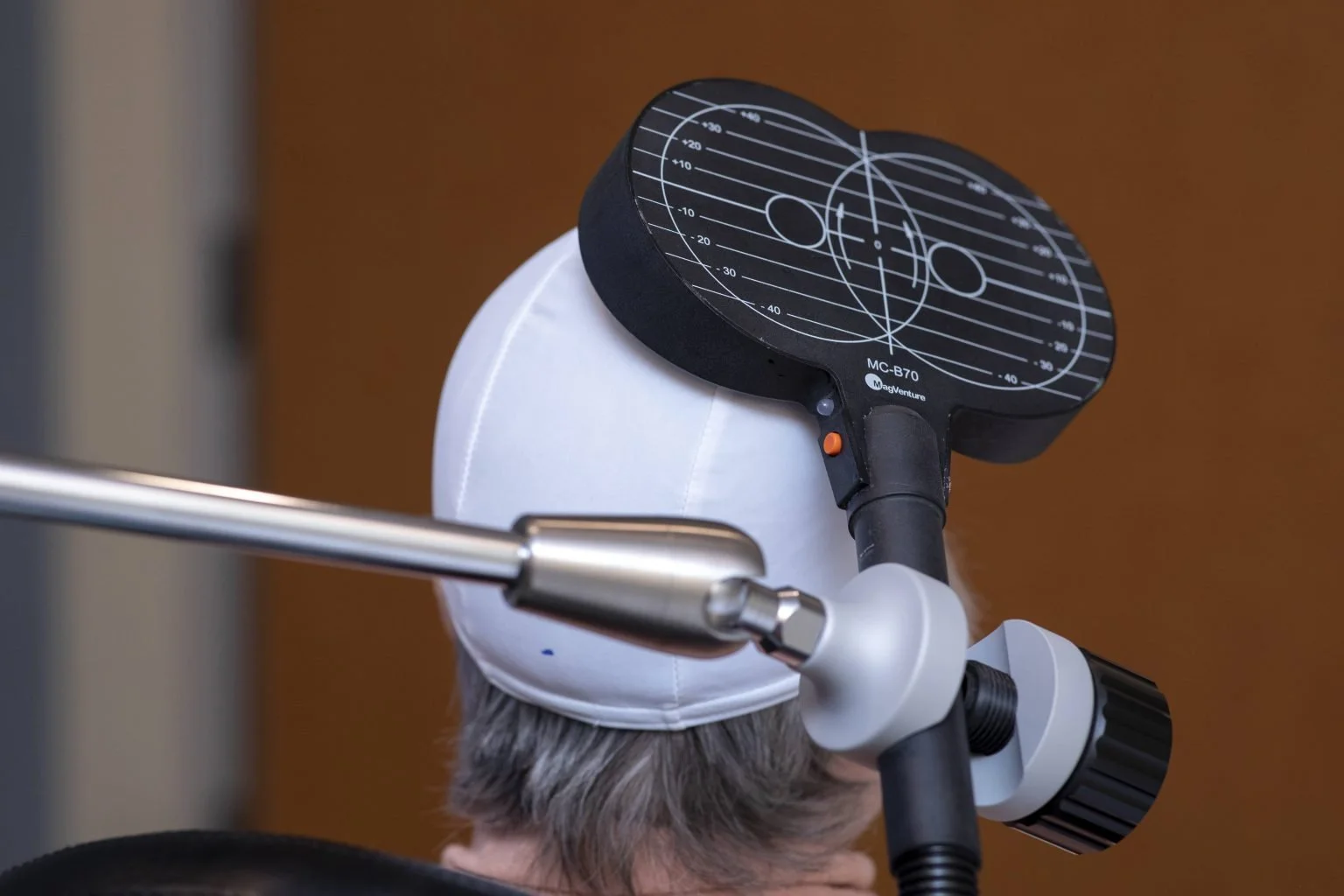
A patient receives transcranial magnetic stimulation (TMS) therapy at Mayo Clinic in Jacksonville, Florida
Q: What are biomarkers, and why are they important in understanding the brain?
A: One of the biggest modern challenges in using brain stimulation therapies is that we still don't have simple, precise ways to measure how the brain is working in real time. Before treatments like TMS or tDCS can be used most effectively, we first need to understand how the brain is functioning.
Biomarkers are measurements that help us understand what's happening inside the brain and help us identify abnormalities. We gather this information using tools such as electroencephalography (EEG), which records the brain's electrical activity, and magnetoencephalography (MEG), which measures the magnetic fields produced by that activity.
Q: Why is Mayo Clinic the right environment for this kind of research?
A: Understanding how the brain works is incredibly complex, and solving these challenges requires expertise from many different fields. Neurologists, engineers, imaging specialists, computational neuroscientists, data scientists and many others all play an important role in developing new ways to diagnose and treat neurological disorders.
One of Mayo Clinic's greatest strengths is that this kind of collaboration is part of how we work every day. Researchers and clinicians from different specialties work side by side, combining discoveries about how the brain functions with technologies that can measure and influence brain activity.
Many institutions recognize the value of multidisciplinary research, but Mayo Clinic's integrated model makes collaboration especially seamless. Rather than working in separate silos, experts across departments are united by a shared goal of improving patient care.
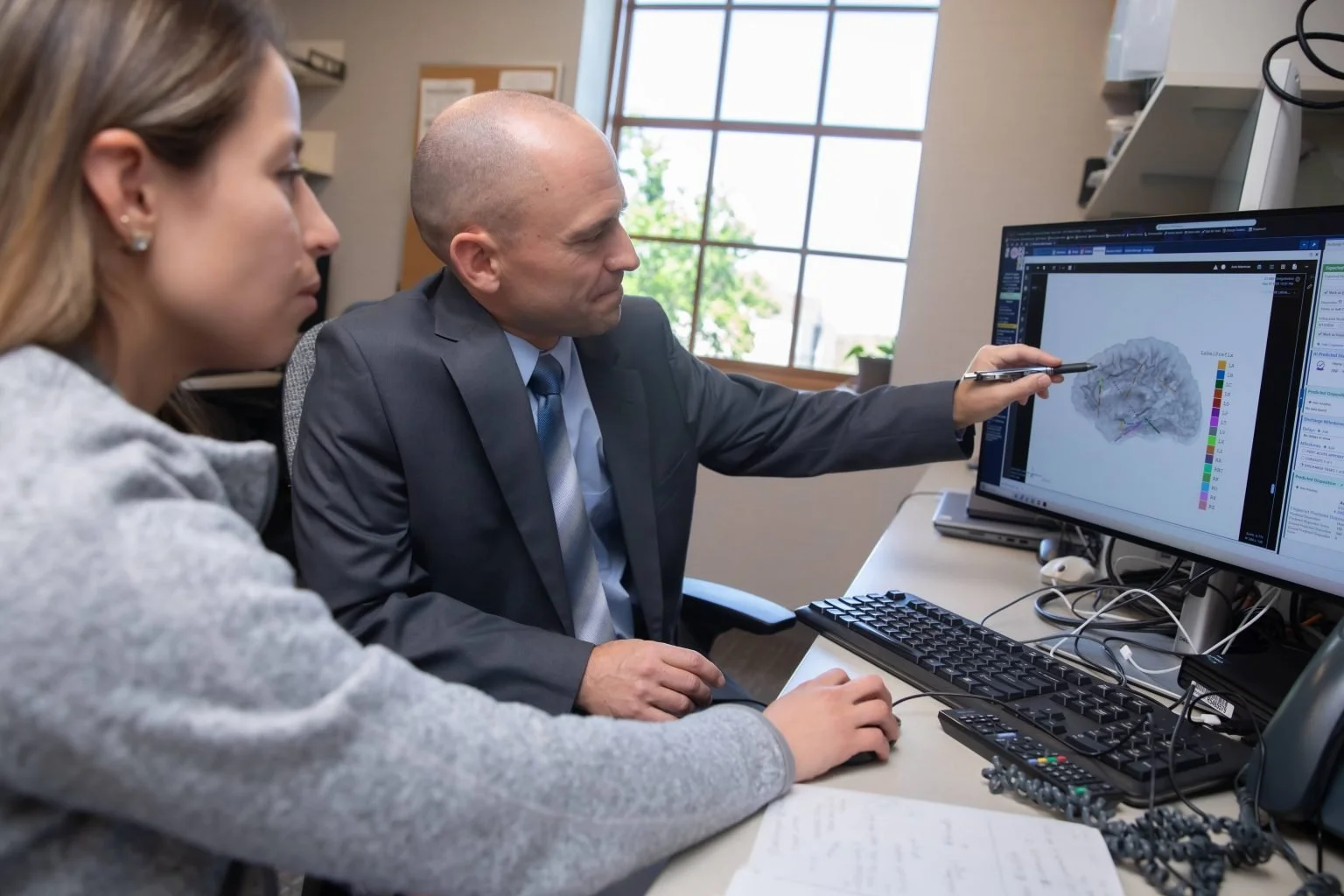
Alejandra Vasquez Avila, M.D., and Brian Lundstrom, M.D., Ph.D., review brain activity data at Mayo Clinic
Q: How are new technologies, including noninvasive stimulation, advanced monitoring or computational modeling, being used or envisioned within BIONIC research?
The BIONIC initiative is centered on advancing bioelectronic medicine, which uses technology to better understand, diagnose and treat disease. Traditionally, medicine has relied on medications and surgery, but bioelectronic medicine offers another way to care for patients by measuring and influencing the brain's electrical activity.
In my research, we're using advanced brain monitoring tools, noninvasive brain stimulation and computational approaches with the goal of combining these technologies so we can develop more personalized treatments and, ultimately, help more patients become seizure-free with fewer side effects.
Looking ahead, I'm especially excited about the role artificial intelligence (AI) can play. AI can help us bring together information from many different sources to better understand brain activity and guide more precise treatments.
There are certainly challenges ahead, but I think the potential is extraordinary. By combining these new technologies with the collaborative environment fostered by BIONIC, we have an important opportunity to improve how we diagnose, monitor, and treat epilepsy and many other neurological disorders.