
CLEVELAND — Epilepsy affects one in 26 people in the U.S. and 150,000 new cases are diagnosed each year.
What You Need To Know
Delilah Toles has been living with epilepsy since she was 23-years-old
A new study from the Cleveland Clinic shows there may be a way to diagnose epilepsy faster by looking at MRI results in a new way
Epilepsy is a nerve-related condition that causes recurring and random seizures
A new research study from the Cleveland Clinic could help diagnose this disorder sooner.
Delilah Toles has been living with epilepsy since she was 23 years old.
“I was sad, confused, angry, disappointed, felt worthless. I was like, never going to be normal,” said Delilah Toles, an epilepsy patient.
Toles said before her diagnosis she was a social butterfly and a caterer. Her specialty was taco bars because of her love for tacos. She had her first seizure while giving birth to her second child.
“I was in a coma for three days, so I didn’t get to see my son or anything for that until three days later, and that’s when I learned that I had had an epileptic seizure on the delivery table,” said Toles.
Toles said she had daily seizures for the next couple of years. She didn’t drive; she currently takes four different medications, and she must know weather changes.
Epilepsy is a nerve-related condition that causes recurring and random seizures. There are about 3.4 million people living with active epilepsy, and about one in three have drug-resistant epilepsy.
There are several causes of epilepsy. Lesions in the brain are a common cause of epilepsy.
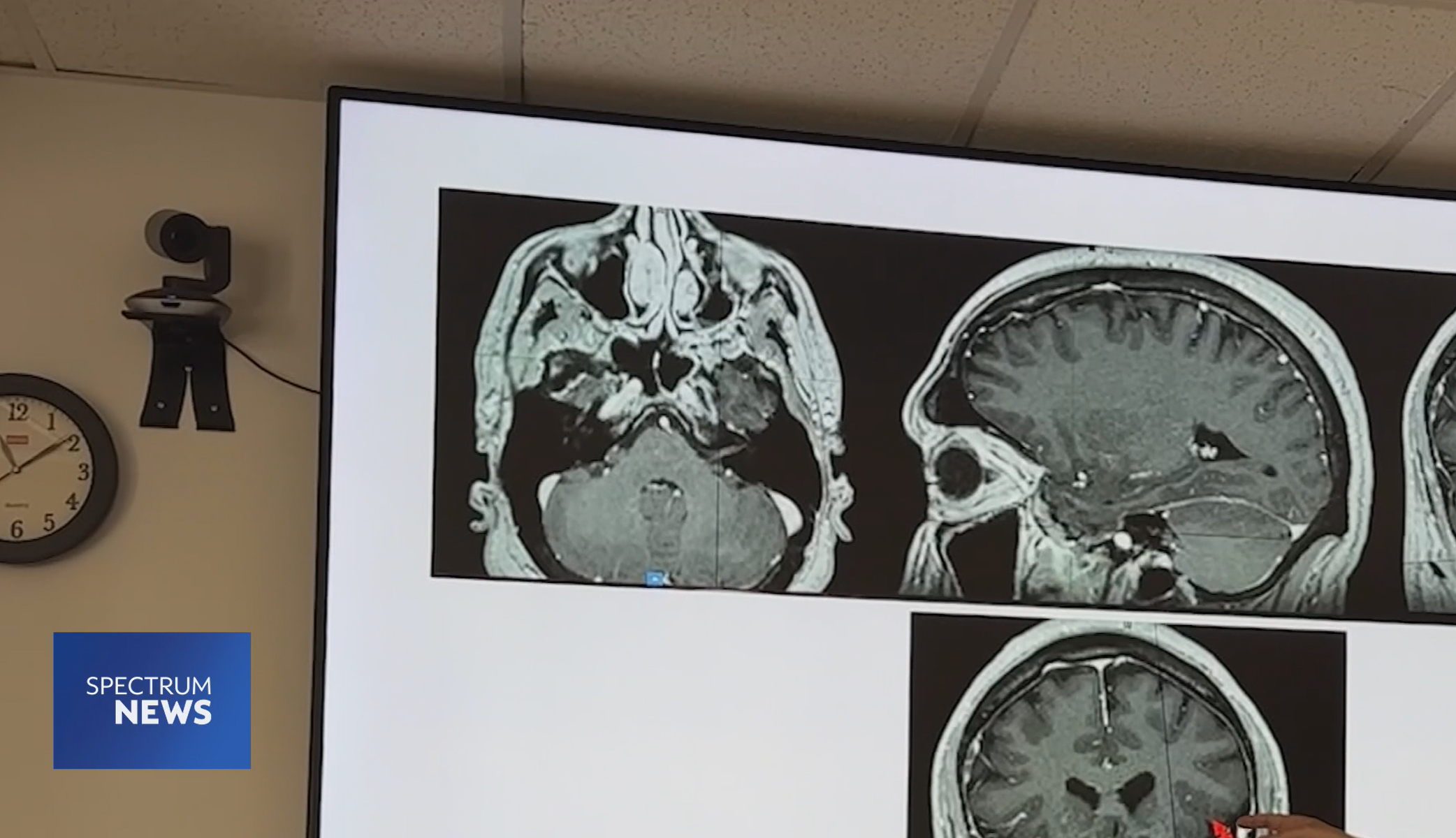
A new study from the Cleveland Clinic shows there may be a way to diagnose epilepsy faster by looking at MRI results in a new way.
“We may spare some of these patients from unnecessary tests, invasive procedures,” said Dr. Demitre Serletis, a neurosurgeon at Cleveland Clinic.
Serletis is the lead author of a research study of epilepsy patients with seizures who don’t respond to medication, and those who have specialized brain surgery to stop their seizures. Serletis said some parts of the brain are difficult to see on an MRI, and those difficult areas could hide the cause of epilepsy in a patient.
“Looking up into that space, you have to pull on it and you have to disconnect it and you can tell that it’s tethered, it’s stuck and so that was the experience I had with a couple of these procedures, two years ago and I said, I wonder why we can’t see this on the MRI scan,” said Serletis.
The study includes two years of work and 31 patients who were treated from 2016 to 2024.
The study was prompted after Serletis noticed certain findings during surgery. He developed new MRI measurements using standard scans to detect brain changes that are often missed. The new metrics from the study help doctors spot subtle abnormalities and get patients the right treatment faster.
“At that time, using the conventional metrics, it still is a very minimal 40 to 60% capture rate, but we were able to identify some new measures that suggest the temporal lobe is being pulled forward,” said Serletis.
Serletis said looking at MRIs differently can help identify tethering or pulling in the temporal lobe from certain lesions.
“It’s called an encephalocele seal, and up to this point, most patients have had many different tests to try and identify something like this,” said Serletis.
By identifying this sooner, patients can avoid other invasive tests and go directly to surgery with improved outcomes. Serletis said these types of lesions were missed approximately 50% of the time.
“If we can improve or let’s say stop the seizures, in many cases, we can improve the quality of life significantly for these patients,” said Serletis. “The seizures stopped; they can learn again; they can focus.”
Toles said she’d like to have her MRI reviewed to see if doctors can find the source of her seizures. Her last seizure was in 2024.
“I’m doing a lot again now, but for years, I missed a lot of years that I could have been doing a lot of things that I really wanted to do,” said Toles.
Epilepsy affects more than 3 million people in the United States and approximately 140,000 living in Ohio, but there is help for people like Toles.
The Epilepsy Association of Ohio, a nonprofit that aims to provide support, resources and tools to help patients live a healthy and productive lifestyle, said seizure disorders can make everyday activities and social experiences difficult, but help is available.
“Their seizures are uncontrolled and they, live a very isolated life, due to this loss of ability to control their seizures and our case managers are experts and are able to help them and support them so they can learn to live with this new normal,” said Patricia Varanese the Executive Director of the Epilepsy Association of Ohio.
In 2025, the Epilepsy Association of Ohio reached close to 49,000 individuals through community programs. They had 67 clients participate in the Adult Mental Health Case Management Program; 139 information calls; and served 191 parents and families.