
Apps for Epilepsy
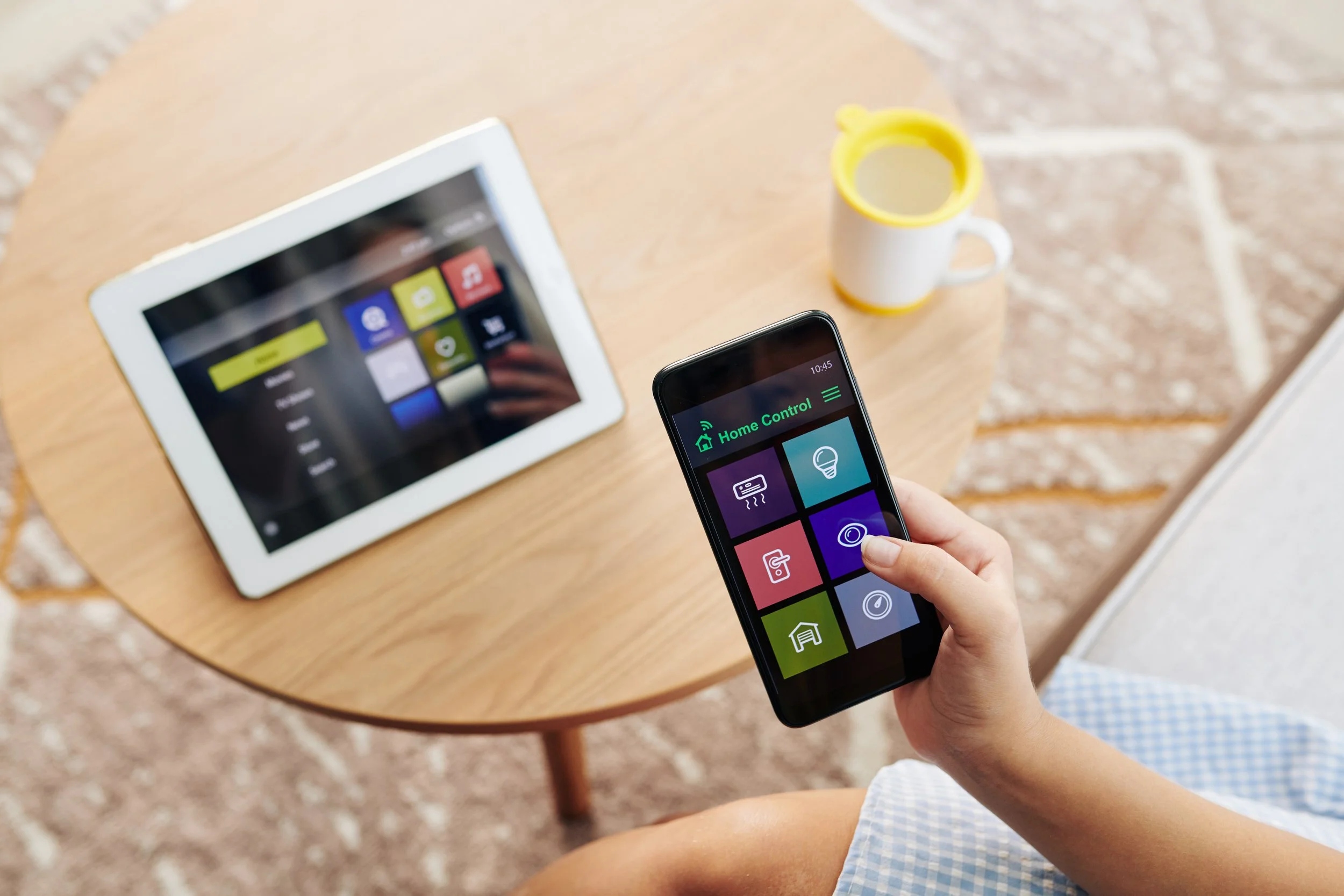
Apps can’t prevent seizures, but they can play an important role in helping people feel safer, more confident, and supported. But with so many options available, it can be difficult to know what will be useful, safe, and right for you.
Why are apps helpful for people living with epilepsy?
If you have epilepsy, you might want to use an app to help with day-to-day management. In particular, apps can help to:
Detect seizures or falls
Track seizures, triggers and other symptoms
Provide emergency medical information
Some apps can link to a smartwatch, which can help provide reassurance by detecting a fall and alerting others or monitoring physical signs at the onset or during seizures.
Apps can also help by:
Recording seizure activity
Storing data such as heart rate or movement during seizures
Providing information about epilepsy first aid
Sending medication reminders and supporting day-to-day management
Used in the right way, apps can help you feel more informed and better prepared. They can help you become more confident in speaking up for your needs in healthcare appointments.
What are the limitations of apps?
It’s important to have realistic expectations about what apps can and can’t do, so you can make informed choices.
Epilepsy-related apps:
Cannot prevent seizures
Vary widely, so you need to make sure that you know what the app is designed to do
For this reason, apps should be seen as one part of managing epilepsy, not a replacement for medical care.
What are the different types of apps that can help people with epilepsy?
Apps can support many aspects of day-to-day epilepsy management. There are a range of apps in the Technology Guide that focus on:
Seizure detection
Epilepsy management and tracking
Epilepsy healthcare and emergency information
Seizure detection apps
These apps are intended to detect seizures, often through connection to a wearable device, such as a smartwatch. They detect seizures by monitoring things like heart rate, oxygen levels or irregular movement.
If you’re not sure what seizure detection app is right for you, it might be helpful to think about whether the app:
Detects seizures or falls
Integrates with a wearable device
Notifies emergency contacts
Shares your live location
Epilepsy management and tracking apps
Many people with epilepsy keep a medication or a seizure journal to help manage their epilepsy and triggers. This can help you make sure you’re taking the right medication, identify any common triggers, and also keep track of your mood, auras or anything else that might be relevant. There are a range of apps that can help support tracking of your epilepsy symptoms.
If you’re not sure what epilepsy management app is right for you, it might be helpful to think about whether the app:
Has a medication tracker
Has a seizure tracker or diary
Has a mood tracker
Notifies caregivers
Epilepsy healthcare and emergency information apps
Many apps provide information on epilepsy first aid, healthcare information, emergency contact information, and assessing your personal risks. Some apps can also help when you attend medical appointments.
If you’re not sure what epilepsy management app is right for you, it might be helpful to think about whether the app:
Provides information on epilepsy first aid for the type of seizures that you experience
Provides healthcare information
Helps with emergency contact information/medical ID
Notifies caregivers
How do I know what app is right for me?
Many of the apps in the Epilepsy Technology Guide include ratings from people living with epilepsy and their carers. These reviews are from their experiences using that app, and provide ratings on:
Ease of use
Features
Functionality and performance
Design
Apps for Epilepsy
HealthUnlocked:
HealthUnlocked is a health-based social network. With more than 600 communities, HealthUnlocked matches you with other people who are interested in similar health-related topics or are in the same health situation.
Seizure Tracker:
Seizure Tracker is quick and easy to set up on your smartphone and can be used immediately after download. The app is designed to help you to manage epilepsy by logging seizures and keeping records of their length, type, potential triggers, and a description of associated symptoms.
Seizure First Aide:
The First Aid icon on the dashboard gives you the four vital steps you need to follow if you encounter someone having a seizure You can also record the duration of the seizure with the Timer icon.
Snug Safety:
Snug Safety is a daily check-in service that provides peace of mind for individuals that live alone. Snug Safety checks in with you every day, and if they do not receive a response from you, they will notify your emergency contacts and send for help.
ICE Medical Standard:
ICE Medical Standard allows you to share key emergency information with a first responder on your phone’s lock screen. You can add the phone numbers of your emergency contacts, information about any medication that you take, any medical conditions that you have, and other essential information that could save vital time in an emergency situation.
Epilepsy Journal:
Epilepsy Journal is an app designed primarily for logging your seizures as they happen. You can also log rescue medication, possible triggers, the activity you were doing at the time of the seizure, and your location. From these entries, you can generate reports, view trends, and even email your doctor.
myChildren’s:
myChildren’s is an app from the Nationwide Children’s Hospital that allows parents to track and manage their child’s healthcare needs. Although the app allows for tracking a wide range of healthcare needs, such as regular medication, it has a specialized built-in epilepsy toolkit.
Epilepsy Health Storylines:
Epilepsy Health Storylines is an app designed to be “more than just a seizure tracker.” The app provides a variety of tools aimed at helping you to manage your condition. Its comprehensive feature set includes recording symptoms, seizures, moods, and setting reminders for taking medication.
SeizAlarm:
SeizAlarm is an app for people with epilepsy and other seizure-related disorders to alert their emergency contacts manually if they think that they will need help soon, or automatically if a seizure-like motion is detected by an iPhone or Apple Watch.
Sources: https://cdn.prod.website-files.com/61883212326ced0c38ccde75/661a44d6cd1ce800ad18b2a3_6_NowWhat_EpilepsyApps.pdf & https://www.epilepsy.org.uk/news/apps-for-people-with-epilepsy